- Selling
- Buying
- Landlords
- Renting
- New homes
- House prices
- International services
 International offices
China, Hong Kong SAR, India, Indonesia, Malaysia, Middle East, Pakistan, Qatar, Singapore, Thailand and Turkey
Learn more - News
- Contact
- About us
- My B&R


Home News
Landlords news
New Ofgem heat networks rules – Why small UK landlords must register communal heating systems
New Ofgem heat networks rules – Why small UK landlords must register communal heating systems
- Landlords news
- 11.04.26
- Benham and Reeves
|
Getting your Trinity Audio player ready... |
Contents
In the UK, communal heat networks supply heat and hot water to many households. While there was minimal oversight for small landlords running such a system earlier, from January 27, 2026, things have changed as Ofgem has stepped in as the regulatory enforcer.
Communal heating systems, generally powered by a gas boiler, are a common feature in most residential developments in the UK. They are also used by many private landlords with multiple rental units to supply heat to each household. While heat networks were previously subject to limited rules such as metering and billing requirements, they were not regulated in the same way as electricity and gas suppliers.
However, from January 27, 2026, even small landlords operating communal heating systems serving more than one property must register their heat networks with Ofgem under the UK Heat Networks Regulations 2026. While registration becomes mandatory before the January 2027 deadline, there are many other regulations that landlords, property managers, and rental portfolio owners must take note of.
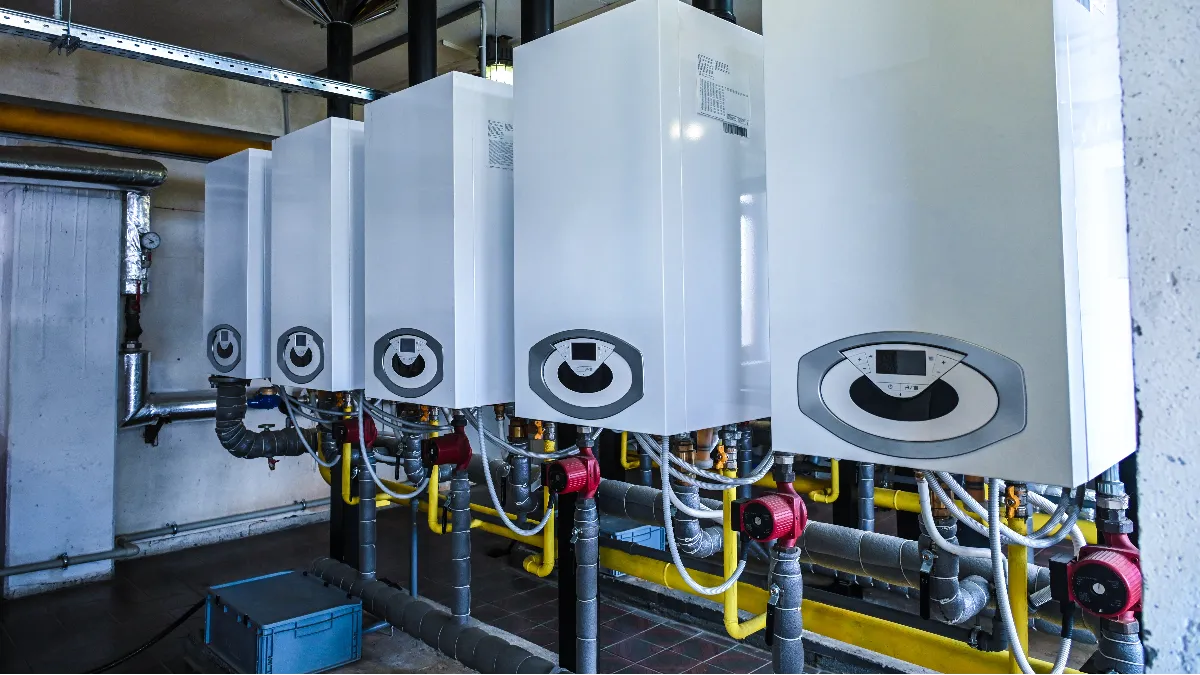
What are heat networks?
Heat networks are systems that distribute heat from a centralised source, like a boiler or heat pump, to multiple apartments or households in the UK. Depending on the size and scope of the heat system and the number of units it supplies, these networks are categorised as district or communal heat networks.
Most landlords use a communal heat network to supply heat to units within a residential block. With the new regulations taking effect, they will be considered a heat network operator or supplier and must follow the heat network rules for UK landlords.
Ofgem’s new regulatory role
The Office of Gas and Electricity Markets (Ofgem) is the national regulatory body for electricity and downstream natural gas markets in Great Britain. While electricity and gas suppliers have long been regulated by Ofgem, the new framework now extends similar oversight to heat networks.
Under the new Ofgem guidelines, all existing heat networks are automatically “deemed authorised” until the official registration deadline of 27 January 2027, before which landlords need to formally register their networks.

Who must register with Ofgem?
The new guidelines apply to anyone operating a system that supplies heat to more than one property. This includes:
As a small landlord with just two or three properties, it is easy to assume that such a regulation will apply to only larger developments or portfolios, but that is not the case. While there are exemptions for certain HMOs using a single domestic heating system, landlords are urged to check their systems carefully and not assume exemption.
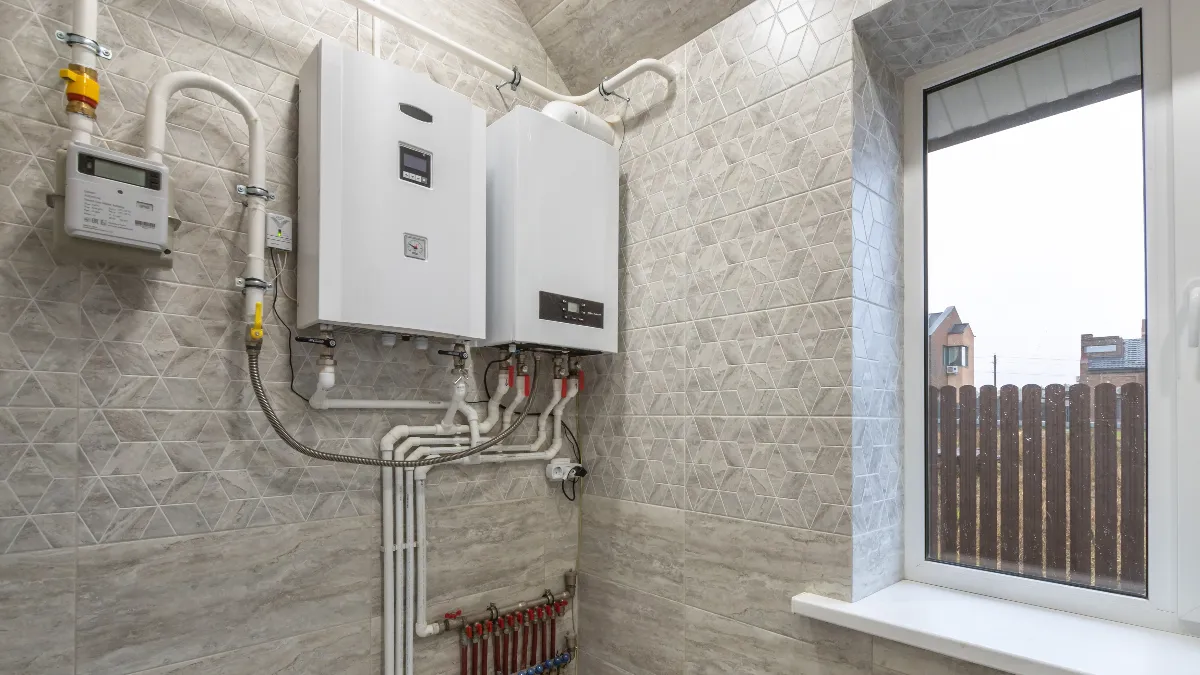
Deadlines and registration process
While the official cut-off date for registering a heat network is 27 January 2027, Ofgem will launch a digital registration service from Spring 2026 across Great Britain , requiring landlords and other operators to submit relevant information about their heat networks. The information that needs to be shared with Ofgem includes
Landlords should register their heat networks in advance once the registration portal is live to avoid delays. Missing the deadline could result in a loss of deemed authorisation, leading to fines and other enforcement action from Ofgem.
Check out Ofgem’s detailed registration guidelines for more information.
What’s next after registration?
Once their heat networks are formally registered and authorised by Ofgem, operators must fulfil other obligatory requirements that include:
Why does this matter to small landlords?
As Ofgem increases the scope of its regulations to cover small landlords and heat network operators with more than one property, the objective is to improve fairness by making heat supply billing and services in the UK transparent. Timely registration and compliance with all guidelines will help landlords avoid further enforcement actions and penalties from Ofgem, and also prepare them for future regulatory changes.
Some practical next steps for landlords
For landlords operating or in charge of a communal heating system, the next steps are as follows:
1. Complete audit of heating systems to verify regulatory status.
2. Understanding the correct role as a network operator or supplier responsible for registration.
3. Gathering proper information about the heat network system, ownership and supply structure
4. Keeping track of Ofgem updates and completing the online registration once the service is live in Spring 2026.
5. Consulting with housing and energy experts for proper compliance advice.
As a leading estate and lettings agent in London, Benham and Reeves has been supporting landlords for over 65 years. We have 21 London branches and 13 international offices to support local and overseas landlords. Along with a full range of lettings and property management services, we also have detailed landlord guides and resources to help London landlords stay compliant and up to date with all rules and regulations.
FAQs
Yes, all landlords with a communal heat system supplying heat and hot water to more than one property must register as a heat network operator with Ofgem.
Landlords operating communal heating systems must complete Ofgem heat network registration before the January 2027 deadline.
The most recent Ofgem guidance is that a heat network is usually a central heating system that provides heat and hot water to several homes in a cluster of developments or a residential block.
If landlords and operators don’t register their heat network system with Ofgem by the deadline, they will lose their deemed authorisation and could face fines and other penalties.
Some properties, such as certain HMOs using a single domestic heating system may be exempt. However, landlords should review Ofgem guidance carefully before assuming they are exempt.
Sign up to our newsletter
Subscribe
How much is your property worth?
 Free online valuation
Media enquiries
 Add Benham and Reeves as a preferred source on Google.