- Selling
- Buying
- Landlords
- Renting
- New homes
- House prices
- International services
 International offices
China, Hong Kong SAR, India, Indonesia, Malaysia, Middle East, Pakistan, Qatar, Singapore, Thailand and Turkey
Learn more - News
- Contact
- About us
- My B&R


 Free online valuation
Mansion tax explained – What it could mean for London homeowners
- Advice clinic, Property market updates
- 06.03.26
- Vidhur Mehra
|
Getting your Trinity Audio player ready...
|
Contents
An important update in the last Autumn Statement, Mansion Tax is a new surcharge on high-value homes in the UK, which will come into effect from April 2028. If you are a homeowner or landlord of a property worth over £2 million, you will be liable to pay this tax and therefore it’s important you know everything about it.
In the last Autumn Statement of 2025, Chancellor Rachel Reeves announced the introduction of a new High Value Council Tax Surcharge, also known as the ‘Mansion Tax UK’, which is expected to affect thousands of homeowners in London and across the UK. While this tax will affect less than 1% of total residences across the country, as it is only applicable to homes valued at £2 million and more, the number of such high-value properties is the highest in the capital.
Let’s understand more about this new tax and its implications for London homeowners.
What is the Mansion Tax?
The Mansion Tax is a form of property tax that will apply to UK homes valued at £2 million and more. It will be introduced across different threshold bands at rates that vary according to a property’s market value, as assessed by the Valuation Office Agency (VOA). While the VOA is expected to start valuations in 2026, the Treasury will start collecting the tax only in 2028.
The purpose of this tax is to target wealth tied up in property rather than income, and position it as a tool to support public finances.
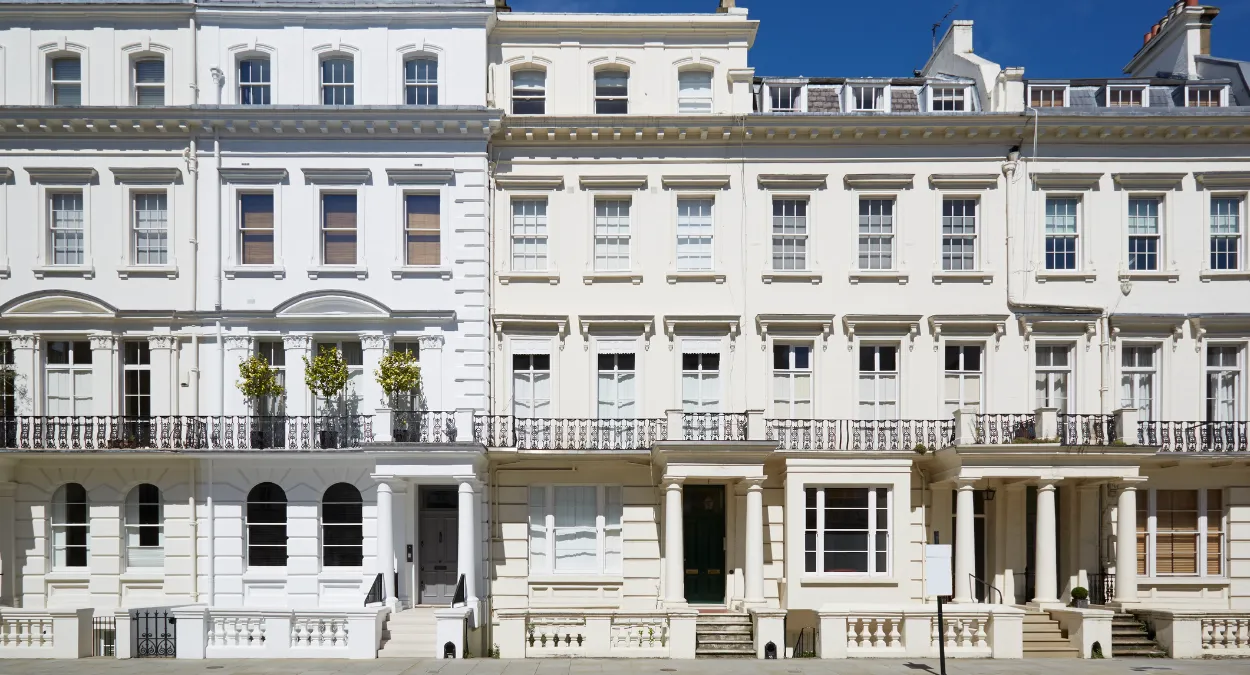
Why is the Mansion Tax being discussed again?
According to the government, despite affecting only a small section of homeowners, this tax will raise around £400 million annually and help plug fiscal gaps within the broader economy. Here are some reasons why this much-talked-about tax is back in the spotlight.
Fairness in the housing market
The framing of this tax is also a way to make owners of high-value homes contribute more in proportion to their assets and to counter the long-standing debate over inequality in different council tax bands. Under the current system, council tax in England is based on property valuations from 1991 and divided into bands from A-H. The average band D charge, which is considered typical for a family home across England, is £2,280. However, because council tax varies by local authority, that is almost £250 more per year than a £10 million property in Mayfair, which would be classed as band H charge and would pay £2,035 in the City of Westminster.
Targeting property wealth gains
Property prices have grown steadily across the UK and are well above the national average in London. This growth has created significant gains in housing wealth, making it a target for taxation that contributes towards other public spending schemes.
A precedent for more wealth taxes
As the Labour Government attempts to tax high-value homes, many industry experts and analysts are also predicting that this is a first step towards a broader and more comprehensive wealth tax.

Here are some more London property trends to watch out for in 2026.
Who would be affected (Price thresholds and regions)
The proposed tax will apply to all properties in England valued at £2 million and above. According to industry estimates, there are around 150,000 to 200,000 such high-value properties across the country, with over 50% in London and around 85% in the South East. Along with individual landlords and homeowners, the tax will also be applicable across other ownership structures, such as companies, trusts and owners of second homes.
Read more about owning a London property in a trust and the pros and cons of property ownership in a limited company.
Here’s how much the owners of such properties will need to pay once the tax is enforced from April 2028.
| Threshold | Rate |
|---|---|
| £2 million to £2.5 million | £2,500 |
| £2.5 million to £3.5 million | £3,500 |
| £3.5 million to £5 million | £5,000 |
| More than £5 million | £7,500 |
The tax will be divided in four bands. For homes worth between £2 million and £2.5 million, the tax will start at £2,500 and increase up to £7,500 for residences worth more than £5 million. Wealthy homeowners with consistent incomes may not be too affected, but people who have high-value homes but a lack of cash flow such retirees or pensioners, may have to budget for the extra cost or feel compelled to sell.
How it could affect London homeowners
London has the most expensive homes in the country, thus homeowners in the capital will be hit the hardest by the Mansion Tax.
Higher annual expenses
Homeowners with lower earnings and unpredictable income may find it hard to add an extra annual charge to their household finances.
Changes in market trends
Many experts also say that the recurring tax could make homeowners want to sell their homes and move to smaller ones, which would increase the number of homes for sale in the high-value segment and slow down price growth.
Potential price corrections
Once implemented, the tax could influence buyer sentiment at the top end of the housing market, causing a slight price correction to absorb its impact.

Key concerns and criticisms
Despite its appeal as a fair surcharge on high-value properties across England, a few points have been raised against the proposed Mansion Tax.
Challenges in getting accurate valuations
The VOA responsible for conducting valuations will likely use a desk-based valuation method without conducting physical inspections, which are considered essential for property valuations.
Benham and Reeves offers homeowners and landlords a free and unbiased property valuation service.
Issues with liquidity
Many critics of this tax argue that it will be an unfair burden on homeowners who lack the cash flow to pay the additional surcharge.
Risk of excess taxation
Homeowners in the UK already face multiple property-related taxes, such as Stamp Duty, Capital Gains Tax, Council Tax and Inheritance Tax. An extra layer of UK housing tax could deter investors.
Impact on international appeal
London’s status as a global property hub partly depends on a stable tax environment. Sudden changes may influence overseas buyer behaviour. Despite the taxes, many overseas buyers still view London as a golden opportunity.
What homeowners should consider next?
The Mansion Tax will only come into effect in 2028, giving homeowners sufficient time to adjust their finances and provision for it. Here’s what homeowners need to consider as they prepare for this new tax.
Understand your property’s exact value
Many homeowners don’t realise how close they are to the potential thresholds and should therefore get a proper valuation in case the VOA assessment needs to be challenged.
Seek professional tax guidance
Consulting with an experienced tax professional can help get a correct assessment of tax obligations and prepare for them in advance. We also offer a professional tax return service for our clients.
Review long-term goals

Whether you are a homeowner, landlord or investor looking to buy a high-value London property, consider all your legal and financial obligations before making any property decision.
Do you own a high-value property in London?
Speak to our agents for expert advice and a free accurate valuation of your home.
Frequently asked questions
The Mansion Tax is an annual surcharge on homes in England that are valued at £2 million and more. It is intended to tax housing wealth and will affect owners of high-value properties.
Unless strongly opposed in Parliament, Labour is likely to move ahead with the implementation of the Mansion Tax, which will come into effect from April 2028.
Mansion Tax will be payable by all homeowners with a property worth over £2 million. You cannot avoid paying Mansion Tax if your property is valued at or over the £2 million threshold.
All homeowners of high-value properties, including individuals, trusts and limited companies, are liable to pay the new Mansion Tax.
The services of chartered surveyors, estate agents and specialist tax advisors can help you calculate and determine the Mansion Tax on your property by getting an accurate valuation.
If you want to get the right help, look for consultants who are good at high-value property deals, structuring wealth, and UK tax regulations.
 Add Benham and Reeves as a preferred source on Google.