- Selling
- Buying
- Landlords
- Renting
- New homes
- House prices
- International services
 International offices
China, Hong Kong SAR, India, Indonesia, Malaysia, Middle East, Pakistan, Qatar, Singapore, Thailand and Turkey
Learn more - News
- Contact
- About us
- My B&R


 Free online valuation
Step-by-step guide to improving your rental property’s EPC
- Advice clinic
- 15.05.26
- Simran Prasad
|
Getting your Trinity Audio player ready...
|
Contents
- Step 1: Find out your current EPC rating
- Step 2: Start with low-cost changes
- Step 3: Improve insulation
- Step 4: Upgrade heating systems
- Step 5: Glazing for double and secondary windows
- Step 6: Renewable energy options
- Step 7: Calculate costs vs rental uplift
- Step 8: Look for exemptions
- Plan your EPC upgrades strategically
- How our professional management helps
By 2030, the UK government expects all rental homes to have an EPC rating of at least C. Landlords have time to comply, but planning ahead is important to prevent last-minute costs and make sure homes stay available for rent. This guide shares some useful tips on how to raise the EPC rating of your rental home.
As part of its Warm Homes Plan, stricter energy efficiency standards are being introduced to reduce emissions and energy costs. For a detailed overview of the upcoming rules and what they mean for landlords, read our blog about the new EPC rules and MEES guidelines.
Improving a property’s EPC rating can make it more appealing to tenants because properties that use less energy tend to get more interest and rent out faster. They also have lower operating costs, which makes them more appealing to renters and helps landlords get better long-term rental returns.
For a detailed breakdown read how EPC ratings affect a property’s sale and rental value.

Here are some steps that landlords can take to raise the EPC rating of their rental property.
Step 1: Find out your current EPC rating
Check the current EPC rating of your property on the Gov.uk EPC Register portal to get started. This certificate is valid for 10 years; by completing this step, you will also know how long it is valid. Based on the evaluation findings, this certificate also provides suggestions for improving the EPC rating.
Step 2: Start with low-cost changes
Starting with the least expensive upgrades for better EPC rating can help keep costs down.
Switch to LED lights – Replace outdated halogen or incandescent bulbs with LED fixtures that use less energy.
Draught-proofing – seal all the gaps around doors and windows to keep more heat inside.
Smart thermostats – These have sensors that automatically heat and cool a room. This can save you 10% to 15% on heating, ventilation and air conditioning (HVAC) bills.
Insulation top-ups: Increasing loft insulations to the recommended 270mm helps retain more heat.
Cylinder jackets: These are covers for hot water storage cylinders that can cut heat loss by as much as 75%.

Step 3: Improve insulation
The roofs, walls, and floors of a house lose the most heat. Using the correct materials to insulate these places can help save on energy bills.
Note: Average figures are based on typical estimates from Energy Saving Trust. Actual costs can vary depending on the property’s age, size and current insulation levels.
Step 4: Upgrade heating systems
Improvements to heating systems can positively impact EPC ratings. These upgrades include:
Modern condensing boilers – Around 40% fuel can be saved by replacing an old gas or oil boiler with a new condensing boiler.
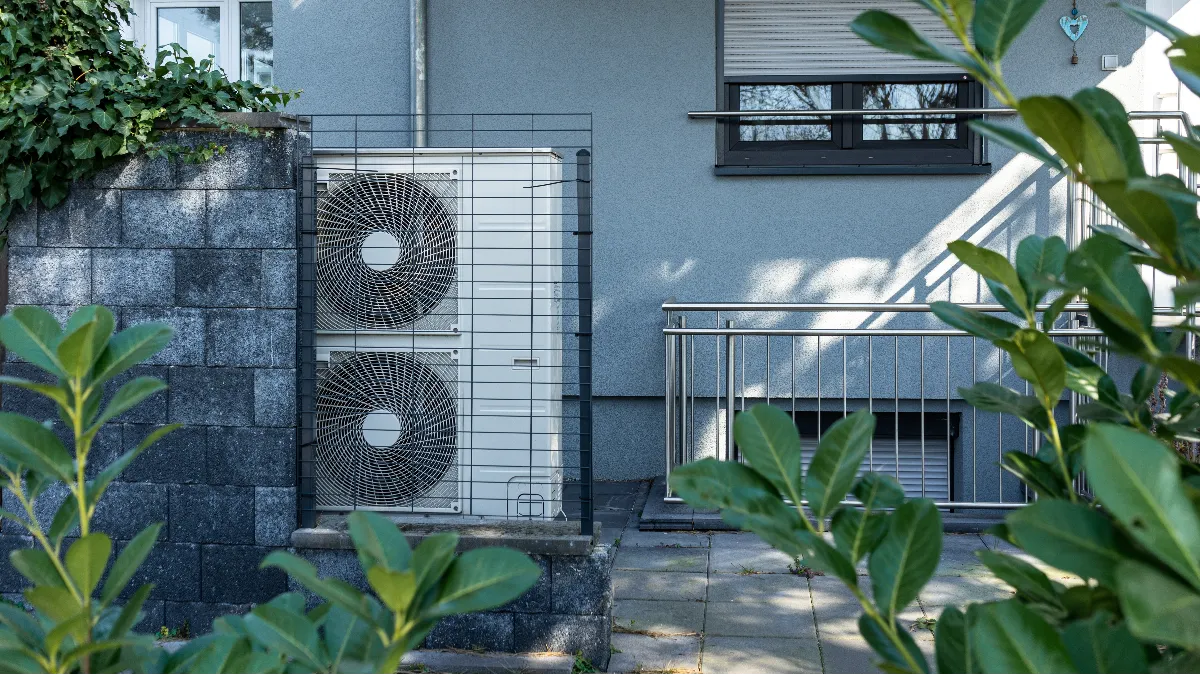
Air source heat pumps – A low-carbon alternative to oil and gas pumps that work well in properly insulated homes.
Zoned heating systems – Enables you to regulate and control temperature independently across different areas of a house, avoiding energy use for empty rooms.
Thermostatic radiator valves – These valves adjust the temperature in each room and conserve energy by not heating rooms that aren’t being utilised.
Step 5: Glazing for double and secondary windows
Landlords can choose between double or secondary glazing for their windows based on the age and type of residence. When done with insulation upgrades, window glazing can raise a home’s EPC score and bring it closer to the C band.
Double glazing: This is usually provided in most new homes and improves efficiency by reducing heat loss.
Secondary glazing: Ideal for older homes, such as listed properties, where older features need to be retained.

Step 6: Renewable energy options
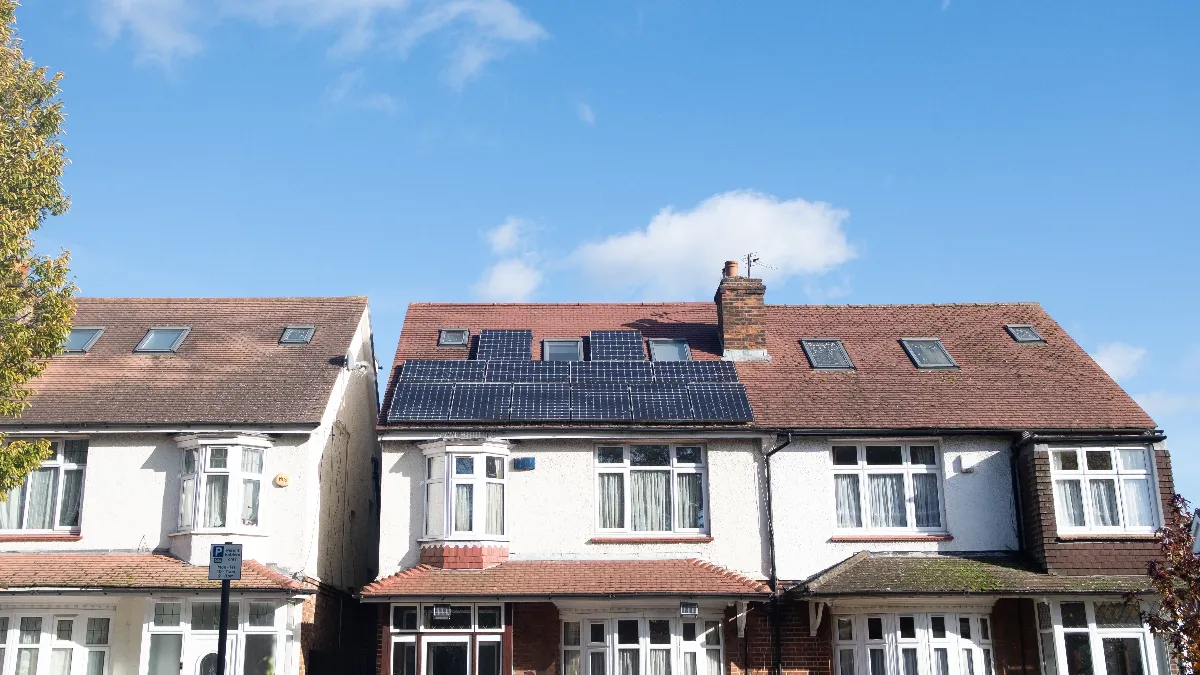
Installing renewable energy sources and appliances works very well for landlords to meet EPC C requirements. While it is a central part of the £15 billion being invested in the Warm Homes Plan, the UK government also offers many other grants and subsidies to landlords and homeowners switching to renewables. Some of the most common home renewable energy features include:
Solar panels – Generate solar electricity to reduce carbon emissions.
Solar thermal panels – Heat water directly using sunlight instead of gas and electricity.
Step 7: Calculate costs vs rental uplift
Every landlord’s compliance checklist should include getting the correct EPC, and it’s critical to compare the input costs with the benefit it might bring.
Average cost: The most recent government estimates state that the average cost of EPC improvements range between £6,000 and £7,000.
Better rental income: Energy-efficient properties command higher rents, as tenant demand for lower utility bills rises.
Faster and longer lettings: Homes with higher EPC rating are usually quicker to rent and face fewer void periods due to active demand.
Get a free valuation of how much rent your property can get you.
Step 8: Look for exemptions
The new rules set a £10,000 cost cap on EPC upgrades for rental homes, allowing landlords to claim an exemption above that amount. Landlords can also avoid the pricey solid wall insulation if it is the only option left or if the renovations need permission from a third party, such the freeholder or the local council.
Plan your EPC upgrades strategically
Landlords should arrange EPC upgrades during void periods to avoid disruption to active tenancies. If you have multiple properties that require upgrades, proper portfolio planning to streamline upgrades can be cost effective and help negotiate better value. We offer a full property management service for your rental properties, including EPC upgrades and more.
How our professional management helps
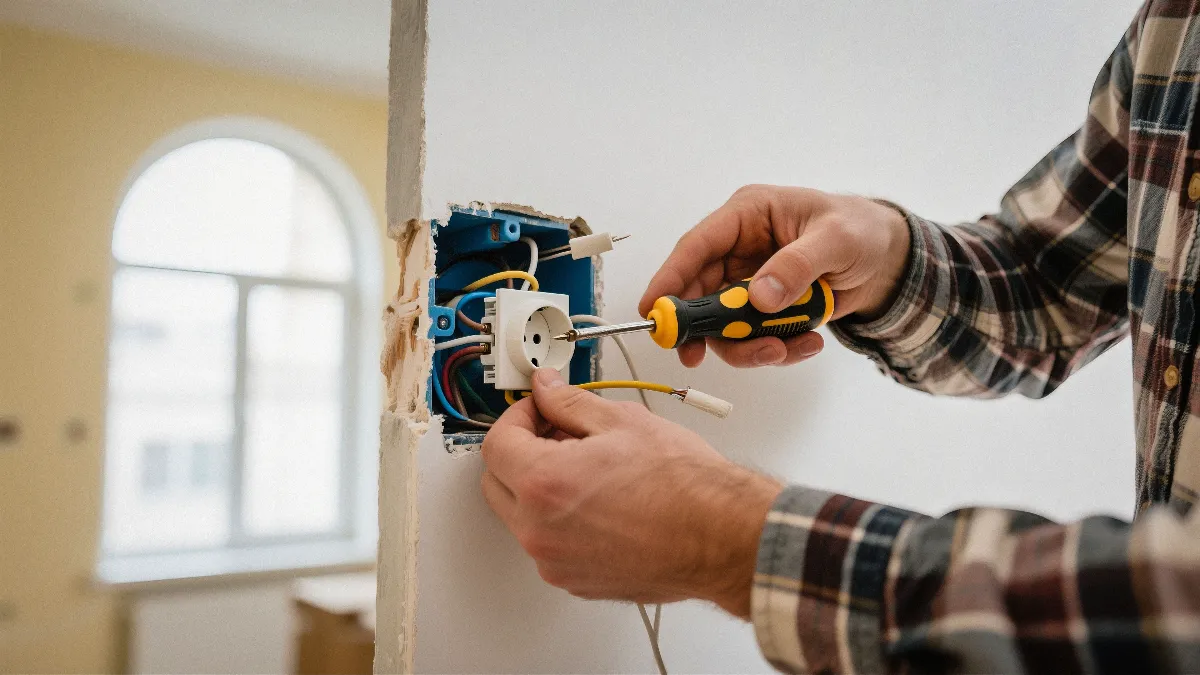
It can be hard to handle EPC upgrades while also dealing with current tenants and changes in the law. Our experienced lettings and property management team is there for landlords at every step of the process, from reviewing your current EPC and identifying methods to improve it to connecting you with trustworthy contractors and making sure upgrades go off without a hitch.
By being proactive, we help you avoid last-minute fees, stay up to date on new regulations, and get the most out of your property’s rental potential. Get in touch with us to talk to an expert and plan your next steps.
 Add Benham and Reeves as a preferred source on Google.